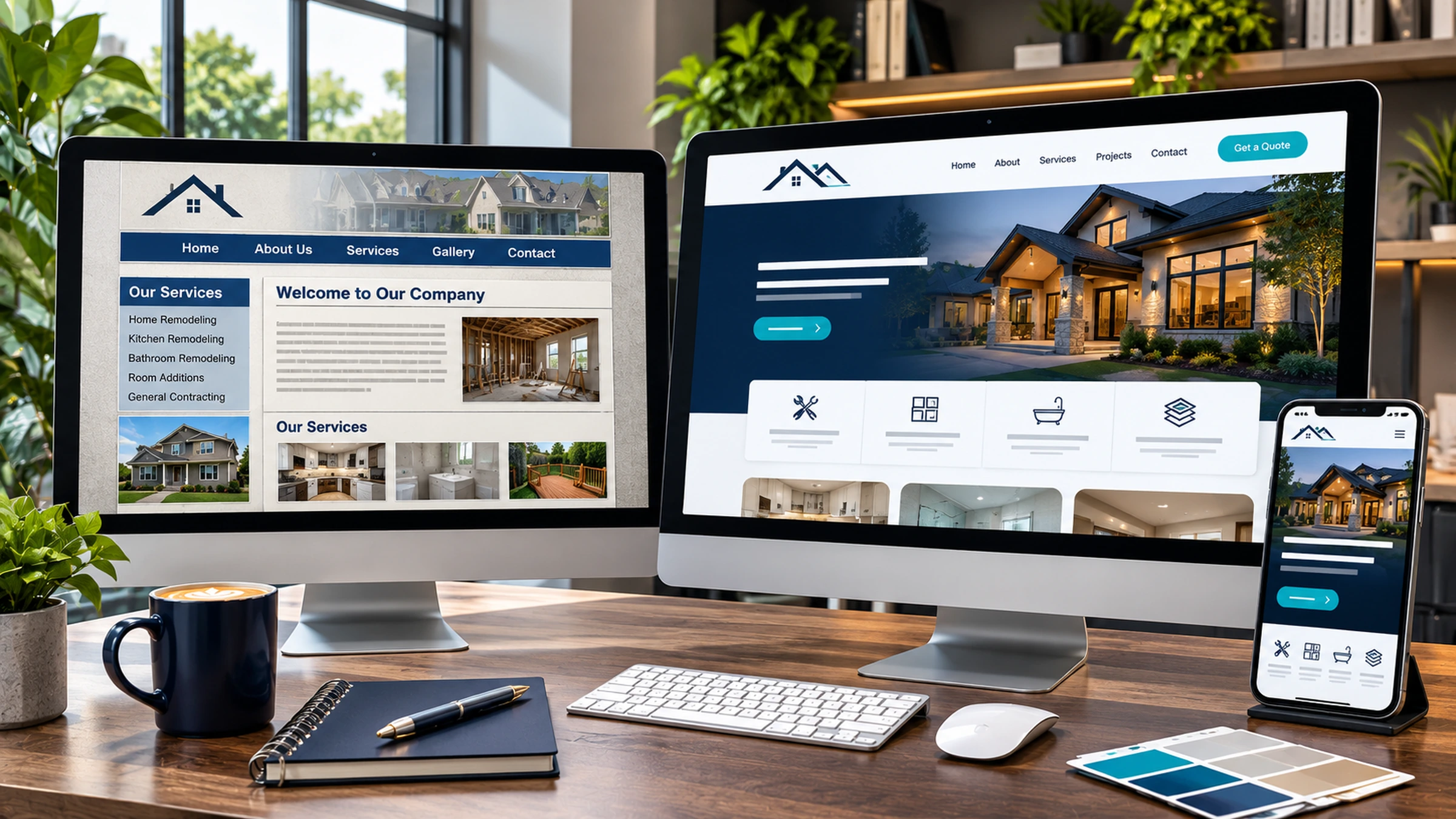
10 Signs Your Business Needs a Website Redesign in 2026
Your business website is often the first place potential customers go to learn about your products, services, and reputation.
But what happens when your website no longer represents your business effectively?
An outdated website can create a poor first impression, frustrate visitors, and make it harder for customers to find the information they need.
As customer expectations, technology, and digital design standards evolve, businesses need to evaluate whether their websites still deliver a professional and user-friendly experience.
A website that worked well several years ago may now struggle with mobile usability, page speed, navigation, accessibility, or conversion performance.
However, not every website needs a complete rebuild. Sometimes targeted improvements are enough.
In this guide, Modevo Design explores 10 important signs your business may need a professional website redesign in 2026, along with practical recommendations for creating a stronger digital presence.
1. Your Website Looks Outdated
First impressions matter, especially when potential customers are comparing businesses online.
If your website uses dated layouts, inconsistent fonts, low-quality imagery, or cluttered page designs, it may not reflect the professionalism of your business.
Modern website design focuses on clarity, accessibility, strong visual hierarchy, and intuitive navigation.
Common Signs of Outdated Website Design
Inconsistent colors and typography
Excessive decorative elements
Poor spacing between sections
Low-resolution images
Confusing page layouts
Outdated graphics
Weak visual branding
A professional website redesign can refresh your visual presentation while preserving the elements that customers already recognize.
The goal should not be to follow every design trend. Instead, create a timeless, functional website that supports your brand identity.
2. Your Website Is Not Mobile-Friendly
Mobile responsiveness is essential for modern business websites.
Customers browse websites using smartphones, tablets, laptops, and desktop computers.
If your website only works properly on a large screen, mobile visitors may struggle to navigate its content.
Signs of Poor Mobile Usability
Text is too small to read comfortably.
Users must zoom in to view content.
Navigation menus are difficult to operate.
Buttons are too close together.
Images extend beyond the screen.
Forms are difficult to complete.
Important information is hidden or inaccessible.
Responsive website design allows layouts to adapt to different devices and screen sizes.
A professional redesign should prioritize mobile usability from the planning stage rather than treating it as an afterthought.
3. Your Website Loads Too Slowly
Website performance affects user experience.
Visitors expect pages to respond quickly, particularly when browsing on mobile devices or slower internet connections.
Slow-loading websites can frustrate users and increase the likelihood that they leave before interacting with your content.
Common Causes of Slow Websites
Oversized images
Unnecessary JavaScript
Excessive plugins
Poor hosting performance
Unoptimized fonts
Inefficient database queries
Large third-party scripts
A website redesign provides an opportunity to review performance problems and improve how pages load.
Important Performance Metrics
Google's Core Web Vitals measure important aspects of user experience.
These include:
Largest Contentful Paint (LCP): Measures how quickly the largest visible content element loads.
Interaction to Next Paint (INP): Evaluates responsiveness to user interactions.
Cumulative Layout Shift (CLS): Measures unexpected movement of visible page elements.
A professional development process should include performance testing, optimization, and monitoring.
4. Your Website Has Confusing Navigation
Visitors should be able to find important information without unnecessary effort.
If customers struggle to locate your services, products, contact details, or pricing information, your website may need structural improvements.
Common navigation problems include:
Too many menu items
Unclear page labels
Broken internal links
Deeply nested navigation
Inconsistent menus
Missing calls to action
A professional website redesign can simplify the user journey.
For example, a service-based business might organize its navigation around Home, About, Services, Portfolio, Blog, and Contact.
An e-commerce website may benefit from clear product categories, filtering options, and an easy-to-access shopping cart.
Good navigation helps visitors move naturally toward the information or actions they need.
5. Your Website Is Not Generating Enough Leads
A business website should support meaningful goals.
For a service company, that may mean generating inquiries or consultation requests.
For an online store, it may mean helping customers discover products and complete purchases.
If your website receives visitors but generates few inquiries or sales, it may have conversion-related problems.
Common Conversion Barriers
Unclear service descriptions
Weak calls to action
Complicated contact forms
Poorly positioned buttons
Missing trust signals
Confusing product information
Distracting layouts
A conversion-focused redesign can improve page structure, messaging, and usability.
However, low conversions can also result from traffic quality, pricing, product-market fit, or other business factors.
Before redesigning, review analytics and customer behavior to understand where visitors encounter difficulties.
6. Your Branding Is Inconsistent
Your website should accurately represent your business identity.
If your logo, brand colors, typography, and imagery are inconsistent across your website and marketing materials, customers may experience a disconnected brand presentation.
For example, a company might have a modern logo but continue using an outdated website with unrelated colors and typography.
This can weaken visual consistency.
A Website Redesign Can Help Align
Logo placement and variations
Brand colors
Typography
Photography
Graphic elements
Messaging and tone
Marketing visuals
At Modevo Design, we approach website design and branding as connected elements of a professional digital identity.
A cohesive website can help businesses communicate a clearer and more recognizable brand.
7. Your Website Is Difficult to Update
Businesses regularly need to update services, prices, images, products, and announcements.
If every small change requires complicated technical work, your website may not have a suitable content management system.
Platforms such as WordPress and Shopify provide content management tools for different types of businesses.
Benefits of an Appropriate CMS
Easier content updates
Blog publishing capabilities
Product management
Media organization
User permissions
Flexible page editing
A redesign or platform migration may help simplify website administration.
However, changing platforms should be based on your requirements rather than trends.
A well-maintained existing system may be more practical than an unnecessary migration.
8. Your Website Has Technical or Security Problems
Technical problems can affect customer trust, functionality, and website reliability.
Common warning signs include:
Broken contact forms
Outdated plugins
Repeated website errors
Missing HTTPS configuration
Broken links
Unreliable checkout functionality
Compatibility issues
Frequent downtime
Some issues can be resolved through maintenance without a full redesign.
However, websites built on outdated or unsupported technology may require more substantial development work.
A professional website audit can help identify the safest and most cost-effective solution.
Website security should be treated as an ongoing responsibility, not a one-time design feature.
9. Your Website Is Not Search-Engine Friendly
Search engine optimization helps search engines understand your website and its content.
If your website has poor technical structure, missing metadata, duplicate content, or confusing navigation, it may be difficult to achieve consistent organic visibility.
Common Website SEO Problems
Missing or duplicated title tags
Weak meta descriptions
Poor heading hierarchy
Broken internal links
Unoptimized images
Incorrect canonical tags
Mobile usability problems
Slow page performance
Important pages blocked from indexing
A website redesign can provide an opportunity to improve technical SEO and content structure.
However, redesigning a website without proper planning can also harm existing search visibility.
Before launching a redesigned website, preserve important URLs where possible and implement appropriate redirects for changed pages.
Review canonical tags, internal links, XML sitemaps, and indexing settings.
A successful redesign should protect existing SEO value while improving the website's long-term structure.
10. Your Website No Longer Reflects Your Business Goals
Businesses evolve.
You may have started with a simple informational website but now offer additional services, sell products online, or serve customers internationally.
Your website should evolve with those changes.
Signs Your Business Has Outgrown Its Website
You've introduced new services.
Your target audience has changed.
You need e-commerce functionality.
Your brand identity has evolved.
You want to expand into new markets.
You require booking or customer management tools.
Your existing website cannot support new features.
A website redesign can help align your digital presence with your current business strategy.
For example, a growing retail business may need to transition from a basic product showcase to a professional Shopify store.
A service-based company may need dedicated landing pages for different services or customer segments.
The goal is to build a website that supports your business today while allowing room for future growth.
Website Redesign vs Website Refresh: What's the Difference?
Not every outdated website needs to be rebuilt from scratch.
Understanding the difference between a website refresh and a complete redesign can help you make a more informed decision.
Website Refresh
A website refresh focuses on targeted improvements while preserving the existing structure.
It may include:
Updating colors and typography
Replacing outdated images
Improving page spacing
Refreshing website content
Updating calls to action
Fixing minor usability issues
A refresh may be suitable when the website's underlying technology and structure are still effective.
Complete Website Redesign
A full redesign involves more substantial changes to the website's appearance, structure, functionality, or platform.
It may include:
New website architecture
Custom page layouts
Improved user journeys
CMS migration
E-commerce integration
Advanced functionality
Technical performance improvements
The best approach depends on your website's condition, business requirements, and available budget.
How Much Does a Professional Website Redesign Cost?
Website redesign pricing depends on the project's scope.
A simple visual refresh may cost less than rebuilding a large corporate website or e-commerce platform.
Factors that influence pricing include:
Number of pages
Design complexity
Existing technical problems
Content migration
Platform requirements
Custom functionality
SEO preservation
Testing and quality assurance
Businesses should request a detailed proposal explaining which services are included.
A professional website redesign is most valuable when it addresses specific business problems rather than making purely cosmetic changes.
How to Prepare for a Website Redesign
Before starting a redesign project, establish clear goals.
Step 1: Audit Your Current Website
Review website performance, usability, analytics, content, and technical issues.
Identify what currently works and what needs improvement.
Step 2: Define Your Business Objectives
Determine whether your primary goal is generating leads, increasing sales, improving usability, or strengthening your brand.
Step 3: Understand Your Audience
Consider how visitors discover your website and what information they need.
Step 4: Plan Your Content and Navigation
Organize your services, products, and supporting information into a logical structure.
Step 5: Protect Existing SEO Value
Review important URLs, organic traffic, backlinks, and indexed pages before making structural changes.
Step 6: Test Before Launch
Check responsiveness, forms, links, accessibility, performance, and important user journeys.
Step 7: Monitor After Launch
Track website performance and user behavior after publishing the redesigned website.
This helps identify issues and opportunities for further improvements.
How Modevo Design Can Help Redesign Your Website
At Modevo Design, we help businesses create modern, professional websites that reflect their brands and support their goals.
Our services include:
Professional Website Redesign
Refreshing outdated websites with modern layouts, improved usability, and professional visual presentation.
Custom Website Design
Creating distinctive website experiences tailored to your business identity.
Website Development
Building responsive, functional websites with the features your business needs.
WordPress Development
Developing and improving WordPress websites with flexible content management.
Shopify Development
Designing and customizing professional e-commerce storefronts.
Logo Design and Branding
Creating cohesive visual identities that strengthen brand recognition.
Graphic Design
Producing professional marketing visuals and digital assets.
We work with businesses worldwide, helping startups, entrepreneurs, and established companies improve their online presence.
Frequently Asked Questions
How often should a business redesign its website?
There is no universal redesign schedule. Businesses should evaluate their websites regularly and consider redesigning when usability, branding, technology, or business requirements change significantly.
Will redesigning my website improve Google rankings?
A redesign can improve technical SEO, usability, and content organization. However, rankings are not guaranteed, and poorly managed redesigns can negatively affect existing visibility.
Can I redesign my website without losing content?
Yes. Existing content can often be preserved or migrated, depending on the platform and project requirements. Proper backups and migration planning are essential.
Is it better to redesign or rebuild a website?
A redesign may be sufficient when the existing technology remains suitable. A rebuild may be necessary when the website has major structural, technical, or functionality limitations.
How long does a professional website redesign take?
Timelines depend on website size, design complexity, content readiness, integrations, and revision requirements. Simple projects may take a few weeks, while larger websites can require several months.
Can Modevo Design redesign WordPress and Shopify websites?
Modevo Design offers WordPress and Shopify development services, including design improvements and customization based on project requirements.
Final Thoughts
Your website should grow alongside your business.
An outdated appearance, poor mobile usability, slow performance, confusing navigation, or technical problems may indicate that improvements are needed.
However, a successful website redesign should begin with understanding the underlying problems.
By focusing on user experience, branding, functionality, and performance, businesses can create a stronger digital presence.
Ready to Transform Your Business Website?
Modevo Design provides professional website design, website redesign, WordPress development, Shopify development, and branding services for businesses worldwide.
Whether your website needs a modern visual refresh or a complete transformation, we can help you explore the right solution.
Contact Modevo Design today to discuss your website redesign project and request a personalized quote.